Robotic Grinding Costs Breakdown In Real World Manufacturing
Grinding is one of the toughest jobs on the production floor. It’s loud, dirty, and physically demanding. Even small changes in pressure or angle can affect the finish. Skilled operators know how to adjust for those variations, but fatigue, turnover, and safety risks make manual grinding difficult to sustain. As more production returns to the U.S. and product lines expand, maintaining consistent output without adding labor costs is becoming harder.
More manufacturers are turning to robotic grinding to fix that. Automation removes strain and guesswork from the process. It keeps steady pressure and repeatable motion from part to part.
This article explains what drives robotic grinding costs, where the real value comes from, and how PushCorp solutions make automation simpler and more cost-effective.
What Really Goes Into the Cost of a Robotic Grinding System
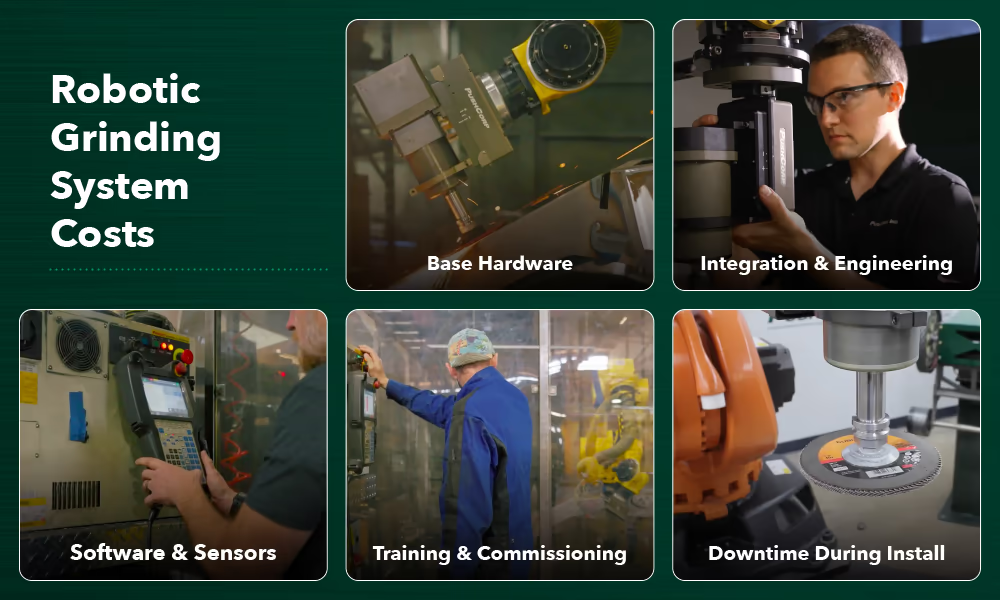
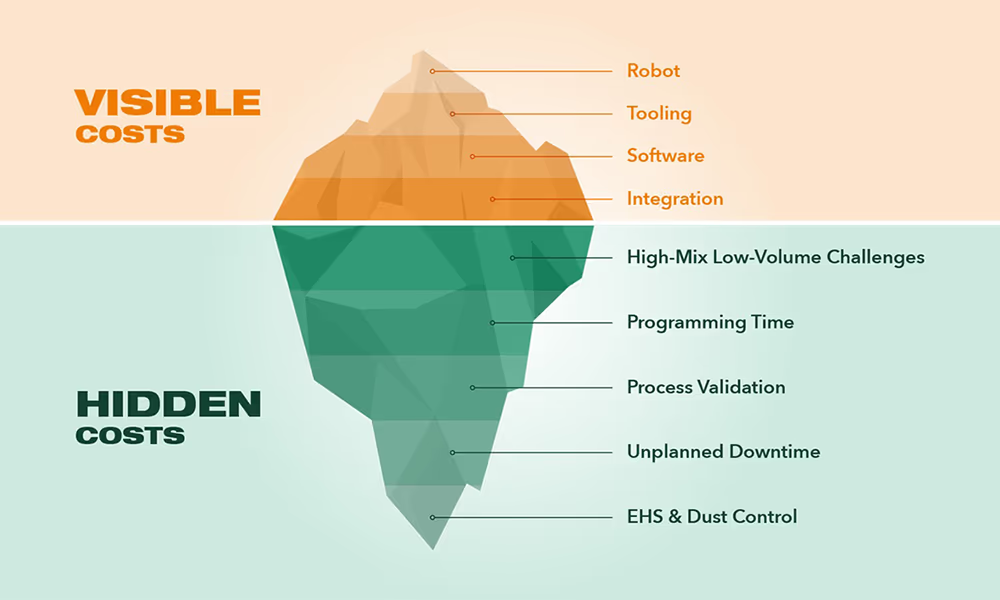
Robotic grinding system cost breakdown.
The robot itself is only part of the total system investment. The real cost of a robotic grinding system comes from the engineering and integration work that makes it perform well in production. Understanding these layers upfront helps manufacturers budget and avoid costly surprises later.
Base Hardware: Every system starts with the core hardware. The robot arm, controller, safety enclosure, and supporting peripherals. Then comes the end-of-arm tooling, such as spindles and force compliance devices.
Integration and Engineering: The cost of designing the cell, programming the robot, building fixtures, and setting up controls can match or even exceed the robot itself. Planning these elements early prevents downtime and rework once the system is running.
Software and Sensors: Offline programming, vision systems, and force feedback sensors allow the robot to adjust in real time and improve consistency. These technologies add cost upfront but save hours of manual setup and debugging later.
Training and Commissioning: Operators and maintenance staff need hands-on training to keep the system productive. This includes programming basics, tool changes, and troubleshooting.
Downtime During Installation: Account for the lost production time during installation and startup. Even a few days of downtime can affect cash flow, so it’s best to plan this like any other project expense.
When all these pieces are added together, you get a clearer picture of what a robotic grinding system truly costs and how thoughtful integration can make that investment pay back faster.
Keeping a Robotic Grinding Cell Running Efficiently
Operating costs are shaped by how well the system is maintained, how abrasives are managed, and how frequently production changes. Once a robotic grinding cell is up and running, the ongoing expenses shift from capital spending to predictable upkeep and consumables.
Abrasive and Tooling Costs
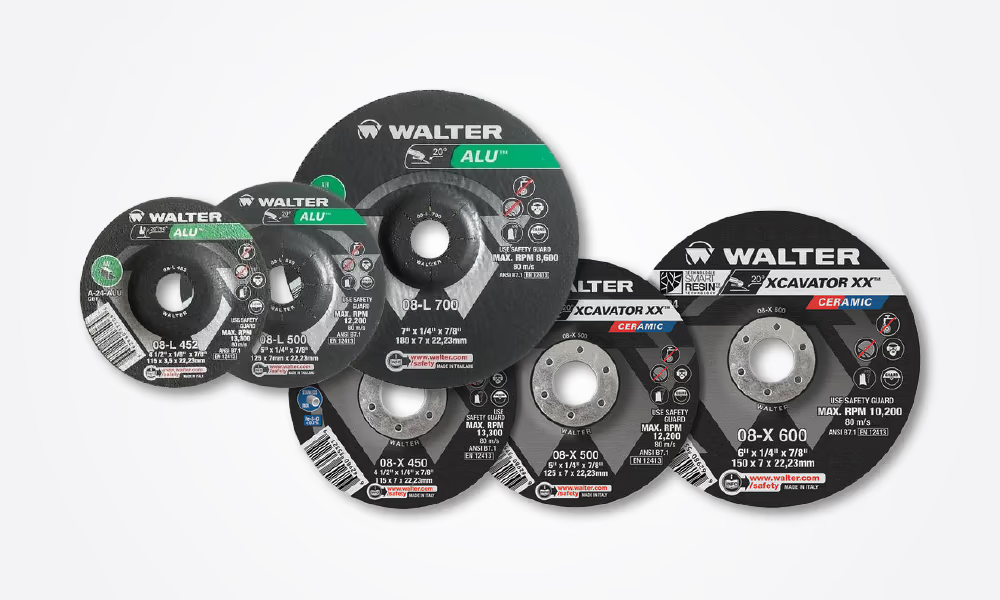
Choosing a high-quality abrasive that’s suitable for the material reduces robotic grinding costs.
Robots apply steady pressure and maintain consistent contact angles. This promotes even wear and can extend abrasive life by 200–300% compared to manual operations. Selecting the right abrasive for the material—such as aluminum oxide, zirconia, or ceramic—has a major impact on cost per part. Longer-lasting media reduce changeovers and downtime.
Maintenance and Spare Parts
Preventive maintenance keeps uptime high and protects equipment life. Bearings, belts, and seals should be checked based on spindle hours rather than calendar dates.
Many facilities budget 5–10% of the system’s original cost per year for maintenance, spindle servicing, and replacement tooling. Tracking maintenance by hours of operation helps detect wear before it causes an unplanned stop.
Energy and Filtration
Grinding cells require steady electrical power for the robot, spindle, and dust-collection systems. Dust and fume extraction add to operating costs but are critical for worker safety and regulatory compliance.
Unplanned Downtime
Even short interruptions can cost thousands in lost production. Routine checks, vibration monitoring, and scheduled maintenance help prevent unexpected failures and keep uptime high.
With a disciplined maintenance plan and smart abrasive management, operating costs stay stable and predictable over the long term.
The Real ROI Drivers Behind Robotic Grinding
The biggest returns from robotic grinding come from higher productivity, less rework, and smarter use of skilled labor. Over time, steady consistency and uptime mean more parts finished each shift and less scrap.
Consistent Quality and Rework Reduction
Manual grinding varies from operator to operator, especially near the end of a shift. Robots maintain steady speed, force, and contact angle through every cycle, delivering the same finish from the first part to the last. That consistency reduces variation, minimizes inspection time, and helps manufacturers hold tighter tolerances with less rework.
Because robotic systems apply uniform pressure, they produce repeatable surface finishes and significantly reduce scrap or secondary operations. Shops that can document this level of repeatability often qualify for higher-value contracts and long-term customer partnerships.
Labor Reallocation
Grinding pulls skilled tradespeople away from their primary work. By automating repetitive tasks, workers can focus on higher-value jobs like setup, welding, or inspection.
This shift reduces bottlenecks caused by labor shortages. It also helps manage rising hourly wages and overtime costs without sacrificing output.
Safety and Ergonomics
Manual grinding is still among the most hazardous manual tasks in a production environment.
Grinding exposes workers to vibration, flying debris, and fine metal dust. Repetitive motions like holding heavy grinders for long periods can lead to fatigue and joint strain over time. According to the U.S. Bureau of Labor Statistics, repetitive motion injuries accounted for about 30% of all private-sector cases that led to days away from work in 2018.
By automating grinding, manufacturers can lower injury risks, reduce workers’ compensation claims, and keep skilled employees focused on safer, higher-value work.
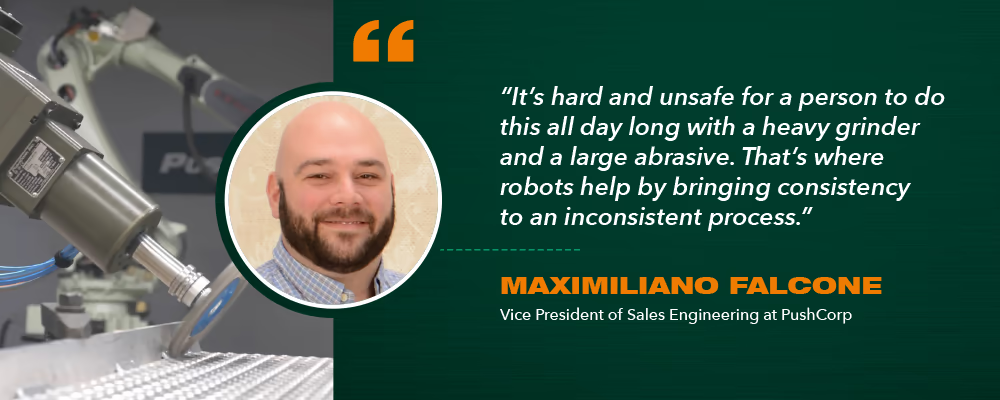
“We justified a robot project a few years ago because they had three carpal tunnel claims at $140,000 each. Safety alone paid for it.” – Maximiliano Falcone
Together, these factors deliver steady, measurable ROI. Robotic grinding is one of the few investments that reduces costs while improving quality and working conditions.
Hidden Costs That Can Undermine ROI
Hidden costs run deep and can negatively affect your system’s payback time if not considered from the start.
Hidden costs can still erode ROI, even with the right hardware and integration. Good planning, flexible fixtures, and smart integration prevent these problems before they slow production or increase costs.
High-Mix, Low-Volume Challenges
Manufacturers adapting to reshoring and shorter production runs often deal with more part variations at lower quantities. The challenge is that most parts originally designed for manual grinding aren’t optimized for automation. Without flexible fixtures or quick-change setups, every part change can add hours of downtime.
PushCorp helps close this gap with modular systems and compliance devices that adapt easily to different part geometries, keeping productivity high in high-mix environments. Beyond the equipment, PushCorp is known for its responsiveness and hands-on support.
“What really sets us apart is our responsiveness. People are always surprised at how quickly we get back to them—and with the information they need to make decisions and move forward quickly.” – Maximiliano Falcone
Programming Time
Traditional code-based programming can slow down deployment and make changeovers costly. Newer programming methods like templates, offline simulation, and manual teaching simplify job changes and reduce engineering time.
Process Validation
Dialing in a consistent finish or meeting a surface roughness target takes testing. This step requires time, but it pays off in repeatable results.
PushCorp supports this process by helping customers select the right abrasives and tooling combinations for each material and finish requirement.
EHS and Dust Control
Metal dust management is often overlooked during cost planning. Aluminum and mixed-metal dust can lead to unexpected compliance costs and even cross-contamination. The right filtration, separation, and airflow design prevent these problems while protecting product quality and maintaining safety compliance.
Unplanned Stops
Downtime happens, even in well-designed systems. Keeping spare spindles, compliance tools, and maintenance kits ready allows quick recovery, minimizing production losses and protecting uptime.
Planning for these less-visible factors ensures that automation delivers not just productivity, but predictable, profitable performance.
How to Model Payback and Total Cost of Ownership
The best ROI models account for all costs and benefits over the full life of the system, not only the initial purchase price. This structured view helps manufacturers make smarter, data-driven automation decisions.
CapEx Inputs: Capital costs include the robot, end-of-arm tooling, fixturing, integration, and any downtime during installation. PushCorp’s pre-engineered systems help reduce these expenses by simplifying design and shortening deployment time.
OpEx Inputs: Operating expenses cover abrasives, energy, maintenance, and consumables. Consistent force control extends abrasive life, lowers cost per part, and reduces the frequency of tool changeovers.
Savings Inputs: Cost-savings come from labor reallocation, faster cycle times, and reduced rework, but safety also adds measurable value. By automating repetitive grinding, manufacturers avoid costly injury claims, reduce downtime, and stabilize productivity.
Payback Targets: Most manufacturers aim for a payback period of 18–24 months, though well-optimized systems can achieve ROI even faster.
Automation delivers lasting benefits beyond cost reduction. These include higher quality consistency, stronger customer relationships, safer workplaces, and better employee morale. These factors make robotic grinding a long-term investment in stability and growth.
Reducing Costs and Complexity with PushCorp Solutions
Pre-engineered systems like PushCorp’s XSeries, including GrindX, reduce engineering effort, installation time, and long-term cost of ownership. Each solution is designed to shorten the learning curve for manufacturers entering automation while maintaining the precision and durability PushCorp is known for.
Faster Integration
For many small and midsized manufacturers, the biggest obstacle to automation is a lack of robotics experience. PushCorp bridges that gap with pre-engineered, ready-to-deploy components that simplify system design and setup.
The PushCorp applications team assists with fixturing, abrasive selection, tool changeovers, and process optimization. This hands-on support helps customers fine-tune details that make or break a grinding process. The result is faster, more reliable deployment and reduced startup risk.
“We designed our 110-volt spindle for shops taking their first step into robotics. They need something plug-and-play that still performs like industrial equipment.”- Maximiliano Falcone
Superior Durability
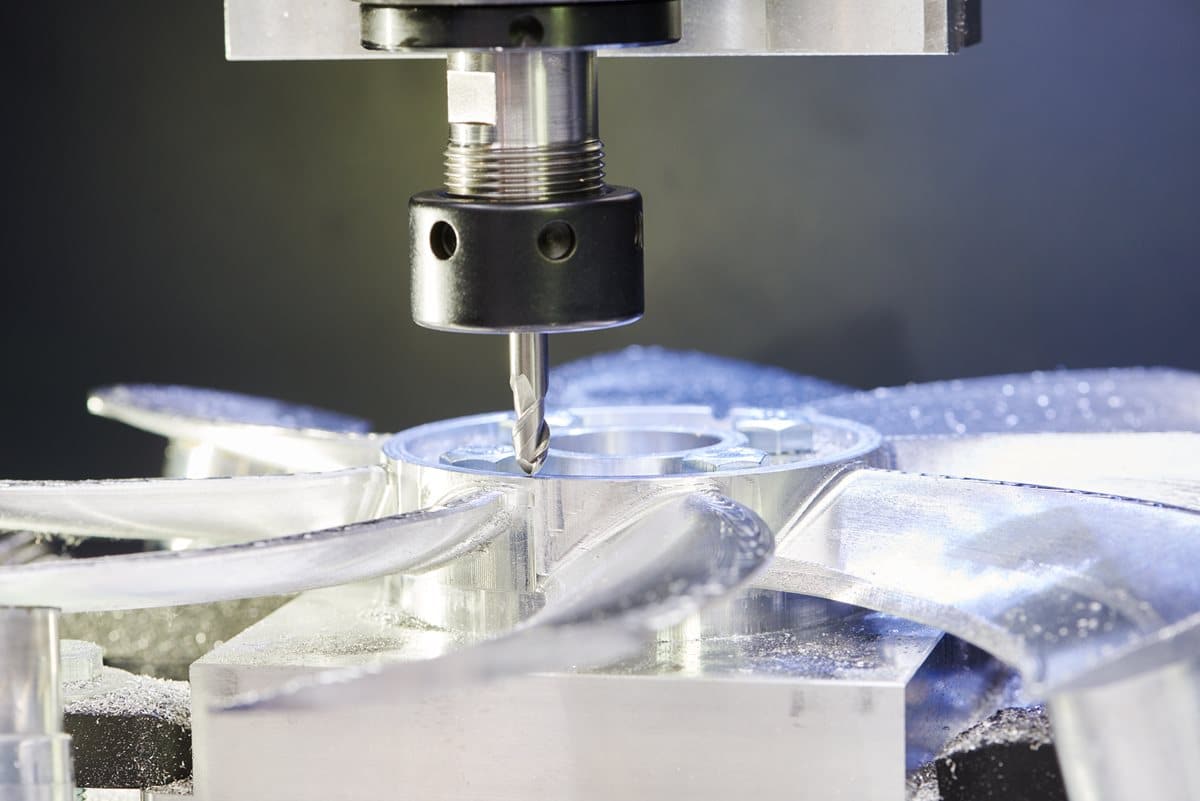
About 95% of PushCorp components are machined in Dallas, Texas using state-of-the-art CNC and precision-measuring equipment.
In-house control ensures high-quality parts for new tools, repairs, and R&D projects. This precision manufacturing extends tool life, improves reliability, and minimizes maintenance frequency.
Scalable Design
Configurable spindles and compliance devices adapt to grinding, sanding, and polishing applications. As production needs change, these modular tools can be reconfigured for new part shapes or materials, helping protect your investment over time.
Lower Lifetime Cost
Rugged, U.S.-made construction and easy serviceability reduce downtime. Combined with responsive customer support and fast parts turnaround, PushCorp helps manufacturers keep cells running efficiently and total cost of ownership low.
A Smarter Way to Invest in Grinding Automation
Understanding actual robotic grindingcosts turns automation from an uncertainty into a smart, strategic investment. When you look beyond the upfront price, the value becomes clear. Robotic grinding delivers consistent results, protects skilled workers from repetitive strain, and frees teams to focus on higher-value production.
PushCorp’s pre-engineered systems make that transition easier. By combining proven reliability with simple, ready-to-integrate design, they shorten the path from setup to results. Across every application, PushCorp delivers steady force, repeatable quality, and safer, more predictable production.
Ready to explore how automation can work for you?Contact PushCorp to speak with an applications expert and find the right grinding solution for your operation.
Material Removal Cobots Replace Risk with Consistency
Grinding, sanding, and weld removal often lead to part variation caused by human fatigue or uneven pressure. Material removal cobots change that. These collaborative robots…
Robotic machining has become a viable alternative to using CNC machines in milling applications. Automating processes can lead to substantial savings, especially in large-scale part manufacturers such as…
Automation for All: How PushCorp’s XSeries Can Help Bring Robotic Material Removal to Every Shop
For decades, robotic automation has been dominated by large manufacturers with the resources to build custom robotic systems. But today, automation is no longer just…
One of the biggest benefits of robotic automation is improved consistency. Robots follow highly repeatable motion paths, which means robotic processing avoids the variability seen…
Achieving a Superior Brushed Metal Finish on Brass Door Handles: Techniques and Tools
Finishing is one of the most critical steps in the manufacturing process, as it directly influences the perception and quality of the end product. Whether…
Grinding Robots Market and Key Trends Manufacturers Must Watch
If you can’t hire enough grinders, keep finishes consistent, or hit ship dates, you’re not alone. Manual grinding is struggling to keep pace with modern…