Weld Grinding Methods and Tips For Different Materials
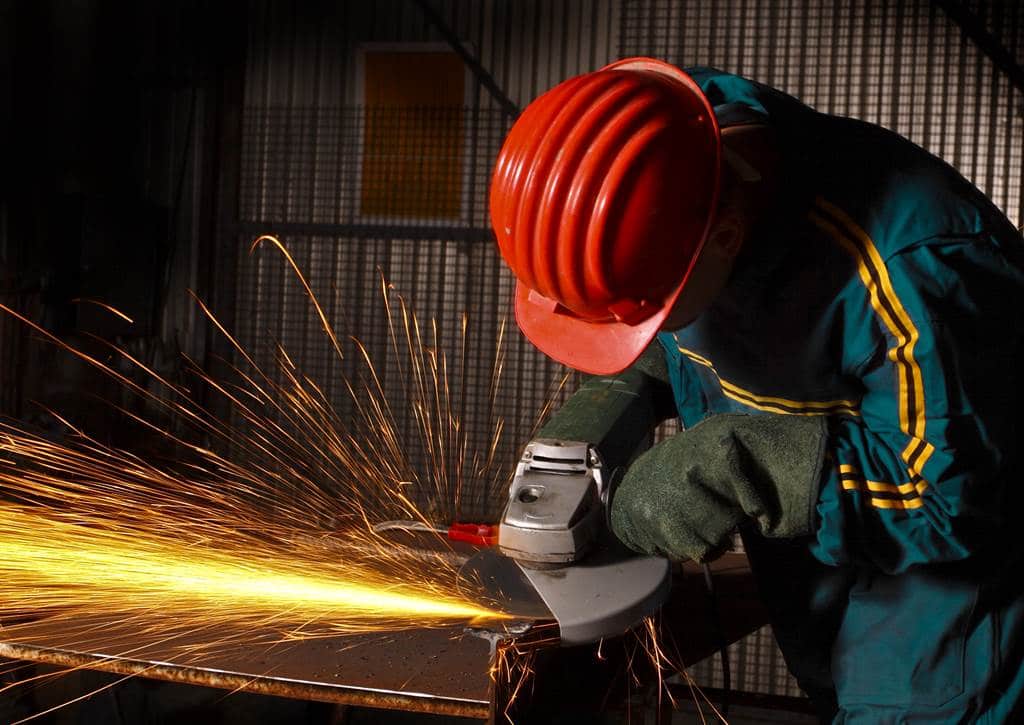
Weld grinding is one of the most important steps in creating a clean, professional finish.
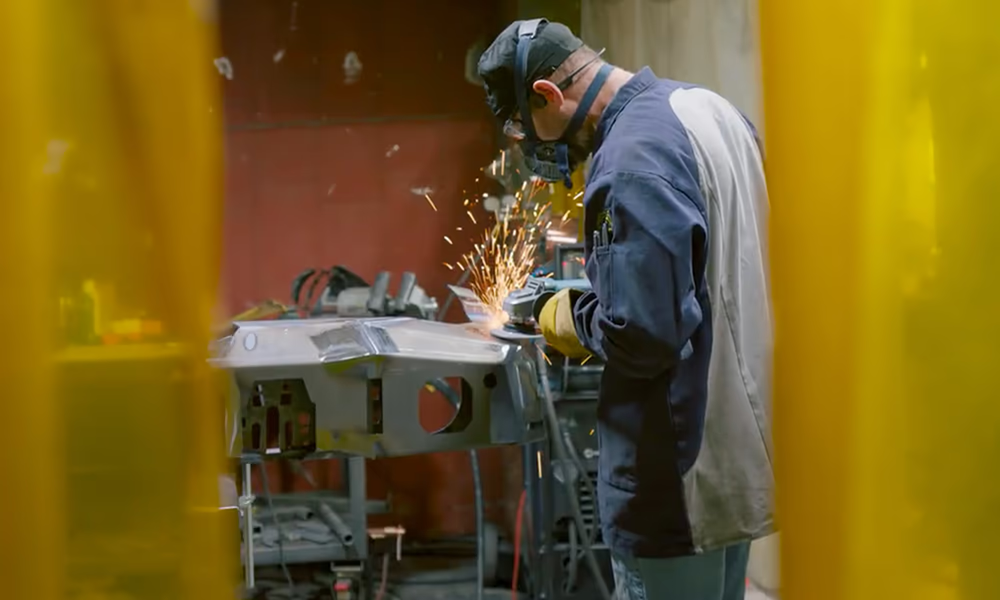
But it’s also one of the most inefficient. Manual grinding wastes time, burns through abrasives, and ties up skilled welders who could be adding value elsewhere.
Many shops accept these inefficiencies as part of the job. It feels cheaper to keep grinding by hand, but inconsistency, fatigue, and rework often cost more than they save.
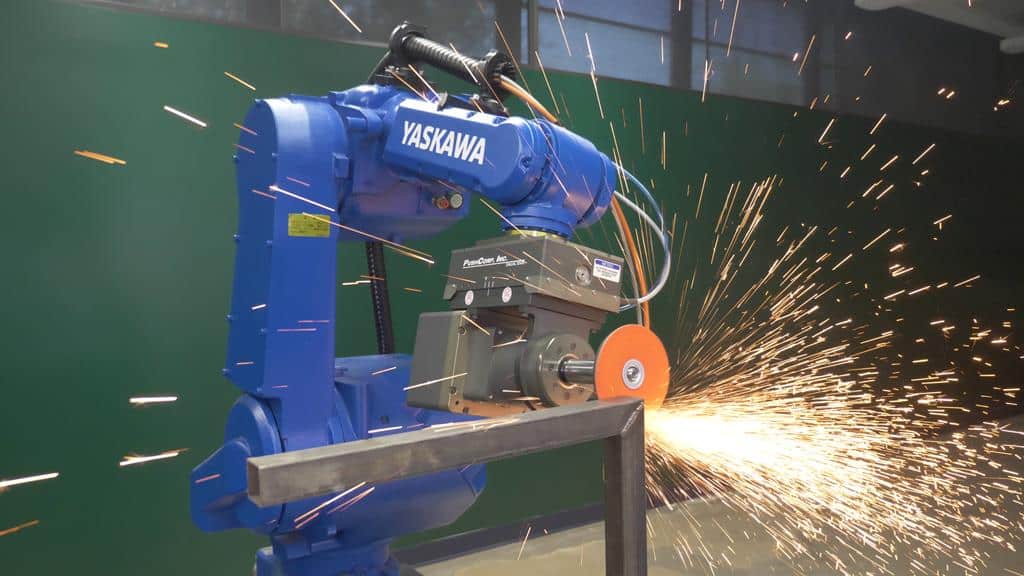
New grinding methods are changing that. With better tools, process control, and robotic grinding, shops can achieve smoother finishes faster without wearing out people or materials.
The result is simple: lower costs, safer workflows, consistent quality, and welders who can focus on the work that really matters.
When to Automate Weld Grinding?
Manual grinding works well, until it doesn’t. Once it starts slowing production, increasing rework, or stretching your team too thin, automation becomes the smarter investment. The right system delivers measurable gains in consistency, cost, and safety.
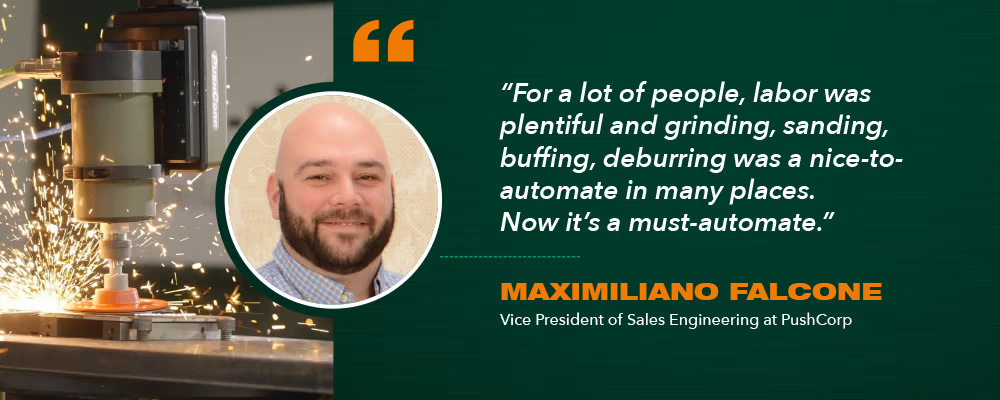
Automation makes sense when grinding becomes a bottleneck. That can happen with:
- High part volumes or repetitive weld geometries
- Frequent rework or surface finish complaints
- Excessive abrasive use
- Difficulty hiring or keeping enough skilled people to meet production goals
Even high-mix, low-volume shops benefit when multiple smaller jobs pile up and skilled welders spend excessive time grinding instead of welding.
Benefits of Robotic Weld Grinding
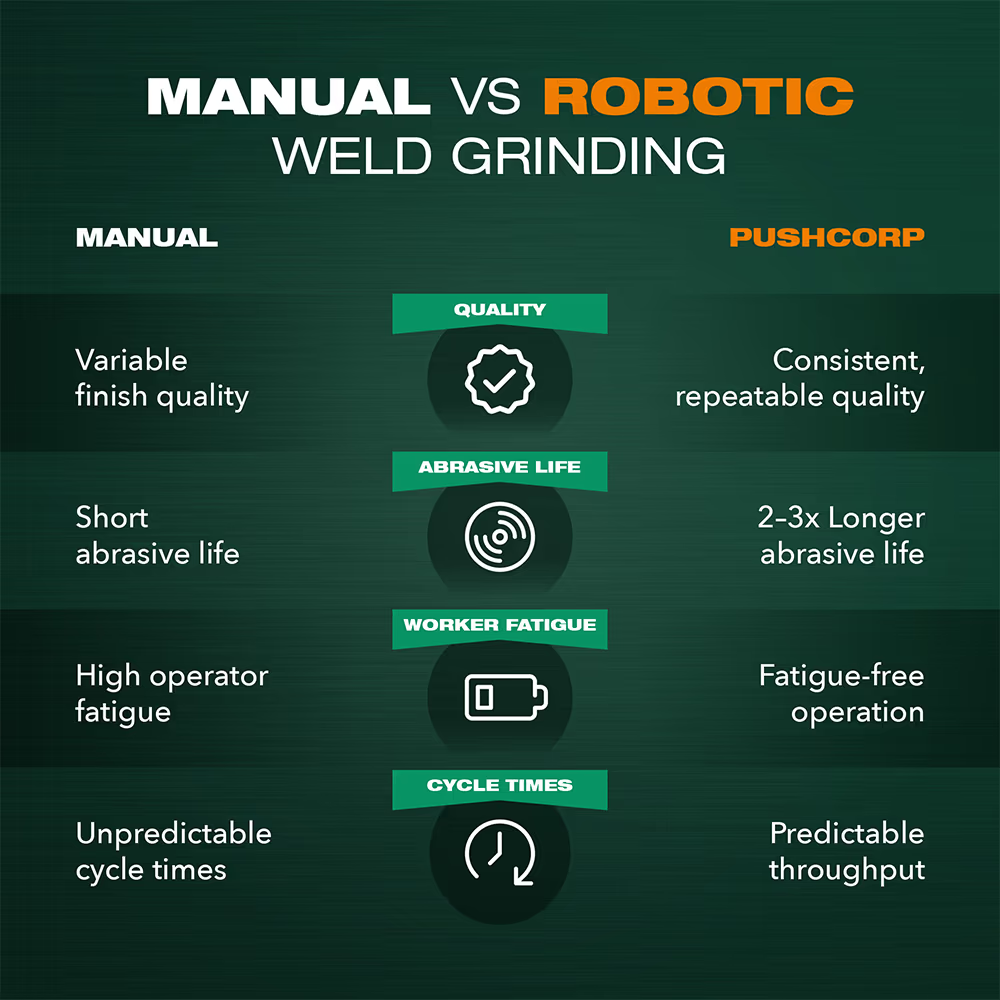
Automated systems apply steady, repeatable force across every part. This keeps pressure consistent, improves surface quality, and eliminates variation from shift to shift. It also reduces abrasive waste and operator fatigue.
When robots handle grinding, skilled workers can focus on welding, machining, and inspection. Labor efficiency improves, and throughput rises along with part quality. Predictable cycle times make scheduling and cost control easier.
ROI Considerations
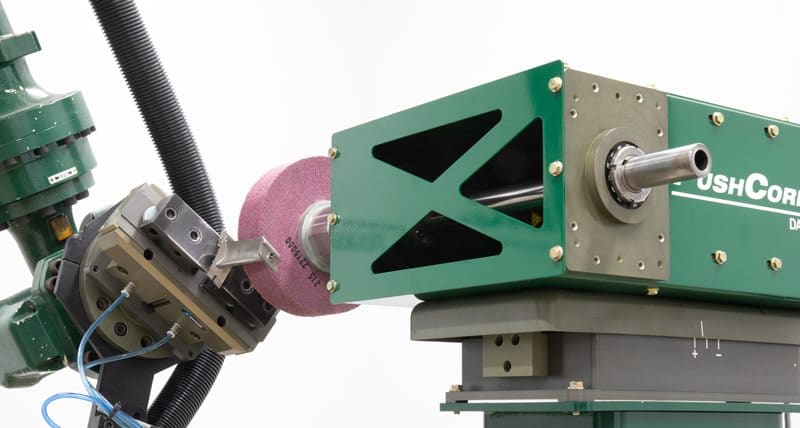
Robotic grinding only works if it delivers value fast. PushCorp cobot ready solutions are built for rapid deployment, shortening the time between purchase and production. Once online, the same equipment can be re-tooled for sanding, polishing, or other material-removal jobs. This capability extends its lifespan across multiple projects.
Closed-loop force control stabilizes quality from part to part, reducing inspection time and rework. That reliability creates predictable costs and fewer production surprises, key drivers of long-term ROI.
The combination of faster startup, repeatable performance, and equipment flexibility helps PushCorp users reach payback sooner and keep realizing returns as production needs evolve.