Grinding Robots Market and Key Trends Manufacturers Must Watch
If you can’t hire enough grinders, keep finishes consistent, or hit ship dates, you’re not alone. Manual grinding is struggling to keep pace with modern production.
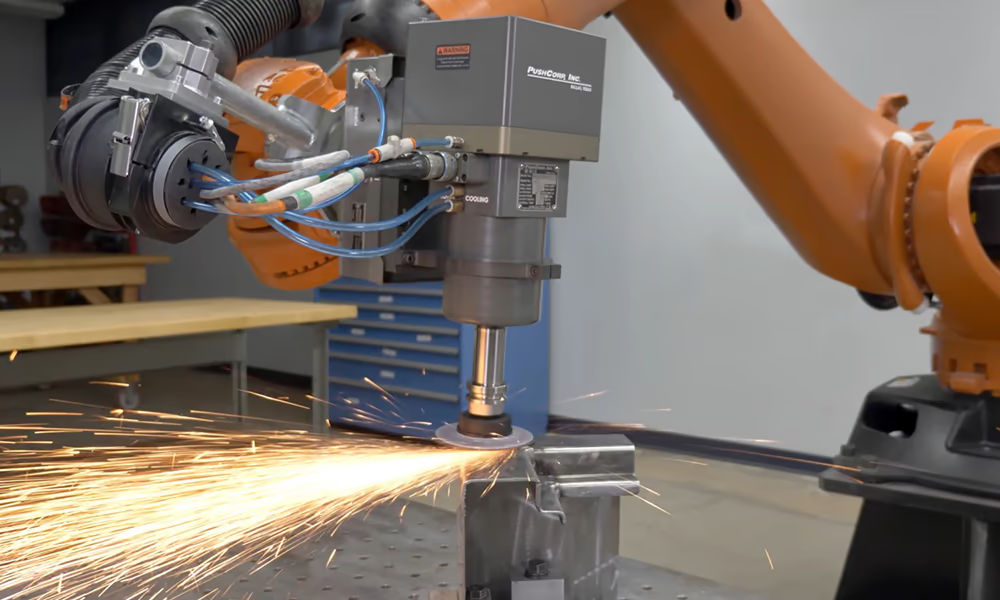
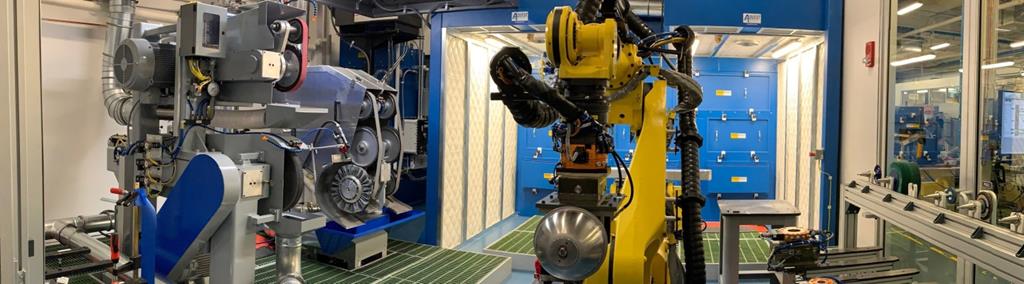
Robots are taking on grinding because they deliver consistent force, safer workflows, and reliable results. Adoption is spreading quickly as manufacturers look to boost output without adding more labor costs:
Large companies focus on scaling production.
Integrators want dependable tooling that lowers project risk.
Small and mid-size shops need automation that works in high-mix, low-volume environments.
New systems are also removing technical hurdles and making grinding automation more accessible. For smaller shops, pre-engineered solutions help lower costs and make it possible to automate tasks that once felt out of reach.
Let’s explore the grinding robots market outlook. We will look at the main drivers of adoption, the technologies making it possible, and what manufacturers should expect next.
Terminology Note:
In this article, we use the term “cobot” for readability. Most modern collaborative systems fall under the Power-and-Force-Limited (PFL) category defined in the latest safety standards. PFL robots are designed to limit their speed and force so they can operate safely near people. Whether a system is truly collaborative depends on how the entire cell is designed and risk-assessed, not just the robot itself.
PushCorp’s tooling works across both PFL and traditional robot platforms, giving manufacturers flexibility to automate safely in any environment.
Grinding Robots Market Shows Rapid Growth By 2033
In 2024, the grinding robots market was valued at about USD 1.2 billion. By 2033, it is projected to reach USD 2.8 billion, reflecting a 10.2% CAGR. This steady climb shows that grinding automation is moving from niche use to a core strategy for manufacturers worldwide.
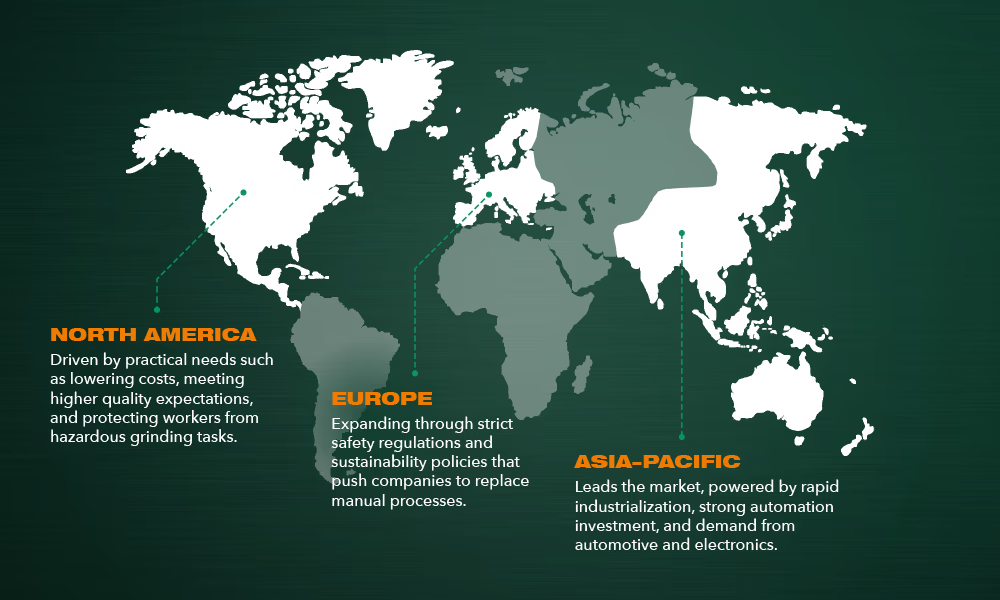
The grinding robots market is set for significant global growth.
Regional Momentum
North America is driven by practical needs such as lowering costs, meeting higher quality expectations, and protecting workers from hazardous grinding tasks.
Asia-Pacific leads the market, powered by rapid industrialization, strong automation investment, and demand from automotive and electronics.
Europe is expanding through strict safety regulations and sustainability policies that push companies to replace manual processes.
These trends show growth is global, even if motivations vary.
The Role of Small and Medium Manufacturers
In North America, small and medium manufacturers (SMMs) are becoming a key part of the story. Many run high-mix, low-volume operations where it is difficult to keep grinding consistent and efficient by hand. In the past, automation often felt out of reach because of high costs or the technical expertise needed to make it work.
As PushCorp’s VP of Sales Engineering, Maximiliano Falcone notes, “What used to be a nice-to-have is now a must. Smaller shops are realizing they can’t find people for these jobs, and new tools finally make automation realistic for them.”
Why Grinding Is a Growth Niche
Grinding is becoming one of the strongest growth areas in material removal. It offers higher throughput, fewer defects, and safer working conditions than manual methods. Manufacturers see it as a prime candidate for automation.
Grinding is one of the most labor-intensive tasks on the shop floor. The process requires constant surface contact, handling of variable geometries, and tight precision that is harder to control than milling or drilling.
Robots solve these challenges by delivering repeatability around the clock. With the right end-of-arm tooling, they ensure uniform edge preparation, smooth weld removal, and consistent surface finishes that reduce rework. As demand for precision and uptime continues to rise, manufacturers that wait too long risk falling behind competitors already scaling with automation.
Grinding Robots Eliminate 4 Major Challenges
Adoption is accelerating because grinding robots directly address the problems that manual methods can no longer solve. Manufacturers face labor shortages and stricter quality requirements. Automation is no longer just a way to save costs but a necessity to keep production moving and workers safe.
Besides labor and quality challenges, policy and safety standards are driving forces for automation. Incentives such as tax credits and state-level grant programs are helping manufacturers invest in automation and workforce modernization. For example, U.S. companies can leverage Section 179 deductions to expense automation equipment. States like Ohio offer TechCred grants to offset the cost of training workers on robotics.
Safety standards are also nudging companies to consider robotic alternatives. Liability for workplace injuries is costly and reputationally damaging. For many manufacturers, these external pressures make investment in grinding robots more appealing.
1. Labor and Workforce Challenges
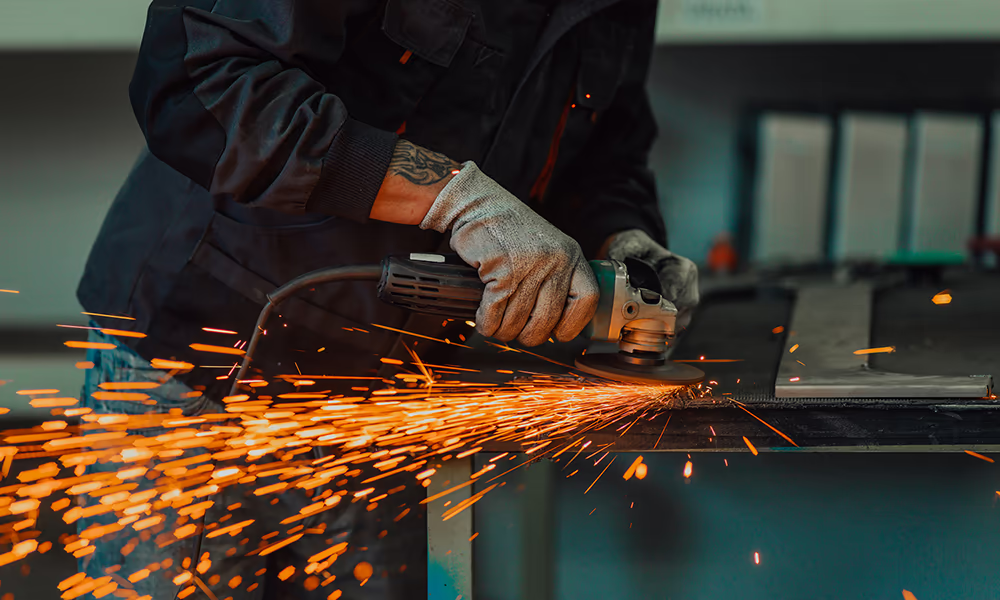
Hiring and keeping staff for grinding jobs has become one of the toughest challenges in manufacturing. This is especially true in rural areas where the labor pool is smaller. Manual grinding is physically demanding, noisy and monotonous, making it difficult to recruit and retain workers.
It is becoming exceedingly difficult to staff manual grinding positions in manufacturing
Grinding also creates hidden costs. It is often a non–value-adding task given to skilled welders or metalworkers. This takes away time they could spend on higher-value work. Manufacturers pay for those labor hours without gaining any additional expertise or output in return.
Even when experienced operators are available, training new staff to reach the same level of consistency is difficult. Robots solve this by running continuously without fatigue. They stabilize workflows and deliver consistent results. This also frees skilled employees to focus on critical tasks like welding, inspection, or programming.
As Maximiliano explains, “Grinding, sanding, and buffing used to be nice-to-automate. Now it’s a must, because you just can’t find people willing to do those jobs anymore.”
2. Reducing Safety Risks on the Shop Floor
Grinding is also a safety challenge. Operators are exposed to:
Dust
Vibrations
Noise
Repetitive strains
Sharp edges and lacerations
All these pose long-term health risks.
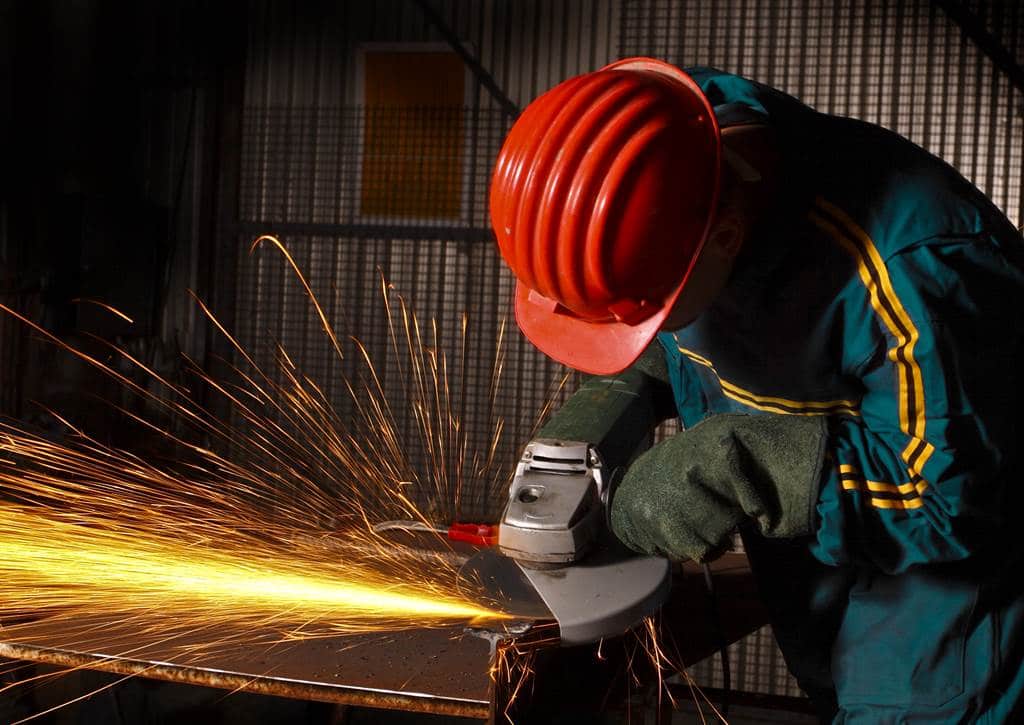
Manual grinding poses a safety hazard, even if using all appropriate PPE.
Regulations in regions like Europe are tightening. Even in less regulated markets, companies are under pressure to protect workers. Automation removes people from direct exposure to these hazards. Robots with compliance technology and proper enclosures can handle heavy material removal. This keeps workers in safer, more comfortable roles.
3. Quality and Consistency
Customers in automotive, aerospace, and other precision industries are raising expectations for surface quality and tolerance. Manual grinding is prone to variation, which often leads to rework, wasted material, and wasted labor hours.
Robots deliver stable force and repeatable motions and they keep finishes consistent across every part. As a result, defects drop and first-pass yield improves. This metric is especially important for manufacturers operating under tight schedules and margins.
4. Different Stakeholder Perspectives
Grinding robots tackle labor, safety, and quality challenges in ways manual methods simply cannot. That’s why adoption is spreading across every level of manufacturing.
Large manufacturers use automation to scale and keep output consistent across global production lines.
Integrators look for dependable tooling that lowers project risk and keeps projects on schedule.
Small and medium manufacturers (SMMs) reduce their labor burden while gaining consistency and quality once limited to bigger players.
With more accessible, pre-engineered packages entering the market, even smaller shops can now automate grinding without adding headcount.
“What used to be limited to Fortune 500 companies is now attainable for smaller and mid-sized manufacturers. The technology has matured, and new robotic tools make automation realistic even for high-mix, low-volume jobs.” – Maximiliano Falcone
Technology Shifts Make Grinding Robots Easier to Adopt
Robotic grinding is no longer just for large factories with big engineering teams. Recent advances have made these systems easier to integrate and more efficient. They are now adaptable to many shop environments. Better force control and ready-to-deploy solutions have removed barriers for manufacturers of all sizes.
Servo Spindles for Power and Precision
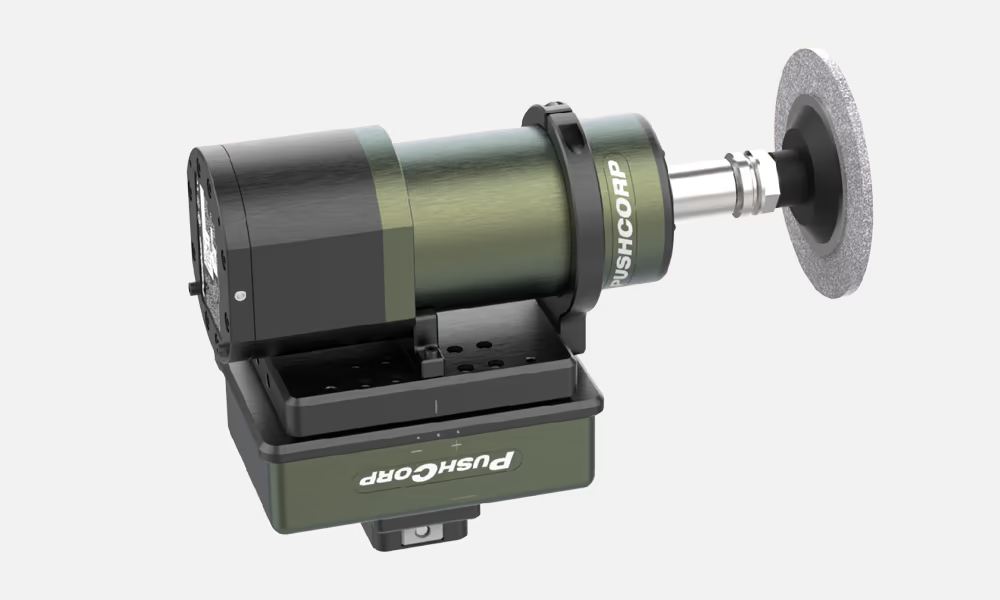
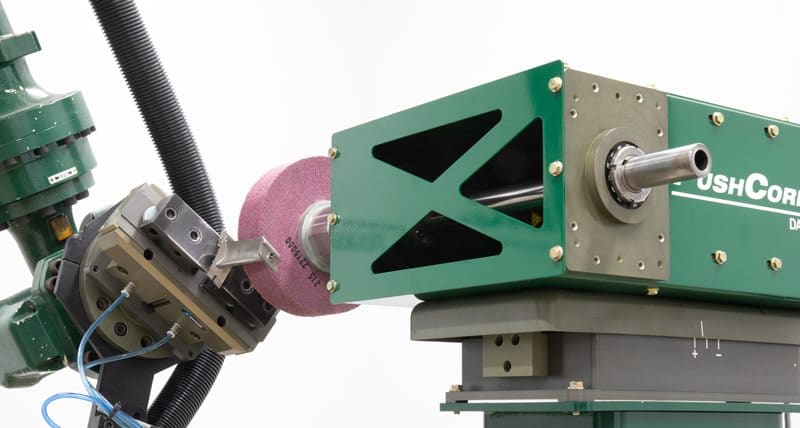
Servo spindles designed for robotic material removal deliver consistent torque.
Equally important are modern servo spindles, designed specifically for robotic material removal. Unlike pneumatic tools, servo spindles use liquid-cooled, brushless motors with a high power-to-weight ratio. They can deliver constant torque across the entire speed range and operate at high duty cycles, even under heavy loads.
A robotic spindle can run continuously, maintain consistent performance, and deliver the kind of precision grinding required in high-value industries.
Real-Time Feedback for Adaptive Control
Another breakthrough is the ability to feed process data to the robot in real time. This lets the robot adjust its path and applied force during grinding, keeping the process stable without trial-and-error adjustments.
As Maximiliano explains, “We even output data while you’re grinding—things like carriage position, applied force, and orientation—so the robot can adjust in real time. That feedback is what helps customers stabilize their process and avoid costly surprises.”
Digital Twins for Virtual Validation
Digital twins are becoming an important tool for grinding automation. They create a virtual model of the process. Engineers can test paths, forces, and part interactions before the robot ever runs on the shop floor.
This approach saves time in setup, reduces programming errors, and helps spot problems early. By simulating different scenarios, teams can avoid expensive mistakes and fix issues before they cause downtime.
For shops working with complex or high-value parts, digital twins add confidence that grinding will meet quality standards without unexpected interruptions.
Cobot-Ready and Modular Tooling for SMMs
Collaborative robotic grinding applications are often more suitable for SMMs.
For small and medium manufacturers, the biggest barrier has often been complexity. Cobot-ready systems and modular tooling are changing this. Cobots are easier to reprogram and redeploy than traditional robots. This makes them a strong fit for high-mix, low-volume environments. They also require less floor space than traditional robotic cells. That is important for shops with limited room to expand.
PushCorp lowers the barrier by offering preconfigured solutions for grinding, sanding, or finishing tasks. Just as important, these systems now provide a clearer return on investment. Pre-engineered technologies have matured to the point where they can deliver measurable cost savings and pay for themselves. This gives SMMs confidence that automation is not only possible but practical.
“If the cobot can sand, drill, mill, and do different things, now it becomes more of a toolbox than a hammer. And the cobot is interesting for SMMs because it takes up so much less space. Being able to move a tool around the building and not have a monument where you have to move all the parts to it is very attractive to people.” — Maximiliano Falcone
Instead of starting from scratch, SMMs can adopt quick-to-deploy packages that meet their needs and avoid the steep learning curve traditionally associated with robotic automation. These solutions aren’t limited to simple jobs. Well-designed pre-engineered systems are flexible enough to handle variable parts and a wide range of grinding applications, giving smaller shops both speed and versatility.
These technological shifts are working together to make grinding robots more accessible, efficient, and practical. Manufacturers that embrace them now gain the dual benefit of advanced capability and easier integration. Those that hold back risk missing out on both productivity gains and competitive advantage.
Active and Passive Force Compliance Improve Precision
Force compliance is the technology that controls how much pressure a robot applies while grinding. A standard robot can follow a programmed path, but it doesn’t know whether it’s pressing too hard or too lightly. The result would be uneven finishes or even damage to the part.
Compliance devices fix this by automatically adjusting pressure so that contact stays steady. This is what makes robotic grinding practical in the first place. Without compliance, results would be inconsistent and unreliable.
There are two main ways to achieve this: passive compliance and active compliance. Each approach works best for different types of parts and applications.
Passive Compliance
Passive compliance uses external regulators to control the force applied during grinding. It’s a straightforward and affordable option, best suited for flat or simple-shaped parts where extreme accuracy isn’t necessary. Common uses include weld shaving or basic surface preparation. Because it doesn’t require complex adjustments, passive compliance is often the easiest way for manufacturers to take their first step into grinding automation.
Active Compliance
Active compliance automatically adjusts force while the tool moves in any direction. This makes it ideal for complex shapes and high-precision parts, such as those in aerospace or automotive manufacturing.
The real breakthrough is that active compliance gives robots an ability once unique to human operators: adapting on the fly. Manual grinding has traditionally been preferred for tricky surfaces because skilled workers could sense and adjust in real time. Now, with active compliance, robots can do the same with greater repeatability.
Why Compliance Matters
Compliance is central to robotic grinding because it determines whether the process succeeds. Robots without compliance struggle to maintain uniform results and can even damage parts. Many manufacturers discover this only after failed automation attempts. Recognizing compliance as essential from the start is critical to avoiding wasted investment and downtime.
PushCorp is recognized as a leader in force compliance technology. Solutions like GrindX combine servo spindles with both active and passive compliance options, giving manufacturers flexibility to match their application. Whether the task is heavy weld grinding, beveling, or finishing surfaces, these systems simplify deployment and ensure consistent results.
Grinding Robots Future Is Accessibility for All Manufacturers
The future of grinding robots will be defined by making advanced capabilities accessible to more manufacturers. Powerful technology matters, but packaging it so it’s easy to deploy, flexible, and cost-effective is what makes the difference.
Manufacturers of all sizes are looking for solutions that reduce complexity and deliver value quickly. Growth in the next decade will come from modular systems, standardized packages, and simplified integration. These advances make robotic grinding practical and approachable without sacrificing performance.
Pre-Engineered Packages Reduce Complexity
One of the biggest barriers to adoption has always been the effort required to design and integrate a robotic grinding solution from scratch. Pre-engineered, application-focused packages are solving this by giving manufacturers a proven starting point.
PushCorp’s XSeries combines force compliance devices and servo spindles into tested pairings that are optimized for grinding, sanding, and finishing applications. These packages are designed to work seamlessly with all major robot brands, including FANUC, Universal Robots, and others. That level of compatibility is critical for SMMs and integrators. It reduces the risk of mismatch and ensures solutions can be deployed quickly without extensive custom engineering.
Flexible for Cobots and Industrial Robots
High-mix, low-volume applications require robotic flexibility above all else.
Accessibility also means flexibility. Smaller manufacturers often work in high-mix, low-volume environments. For them, cobots are a strong fit because they are:
Easy to reprogram
Simple to move between different jobs
Compact, requiring less floor space
Larger manufacturers with high-volume production rely more on traditional industrial robots for speed and throughput.
Solutions like the XSeries bridge both worlds by being equally compatible with collaborative and industrial platforms. No matter the platform, pre-engineered solutions reduce friction from idea to deployment and real-world use.
Sustainability and Workplace Benefits
Sustainability is another major factor driving adoption. Grinding robots contribute by:
Using energy-efficient servo motors
Producing less material waste through consistent finishes
Creating cleaner, safer work environments
These improvements support environmental goals while reducing strain on workers. A safer, modern shop floor is not only more productive but also more appealing to future employees.
Improve Safety and Reduce Turnover with Automated Grinding
Grinding robots are gaining momentum because manual methods can’t keep up with today’s production demands. Labor shortages, safety concerns, and inconsistent finishes are pushing more manufacturers to automate.
Those already using automation are seeing the difference. Costs are lower, quality is more consistent, and throughput is higher with less rework. Just as important, robots take workers out of repetitive, hazardous jobs and allow them to focus on safer, higher-value roles.
For manufacturers considering their first automation project, pre-engineered solutions like PushCorp’s XSeries take the complexity out of grinding automation. By starting with solutions designed for real-world production, teams can move faster, reduce risk, and build confidence in automation.
Ready to take the next step? Talk to PushCorp about fitting grinding automation to your parts, process, and budget — and make your shop safer, more productive, and more competitive.
Products Finishing Podcast: Automation for Mechanical Finishing Processes
Mike Shappell, senior application engineer with Norton | Saint-Gobain Abrasives, takes Products Finishing’s podcast on a video tour of the company’s new Abrasive Process Solutions…
Material Removal Cobots Replace Risk with Consistency
Grinding, sanding, and weld removal often lead to part variation caused by human fatigue or uneven pressure. Material removal cobots change that. These collaborative robots…
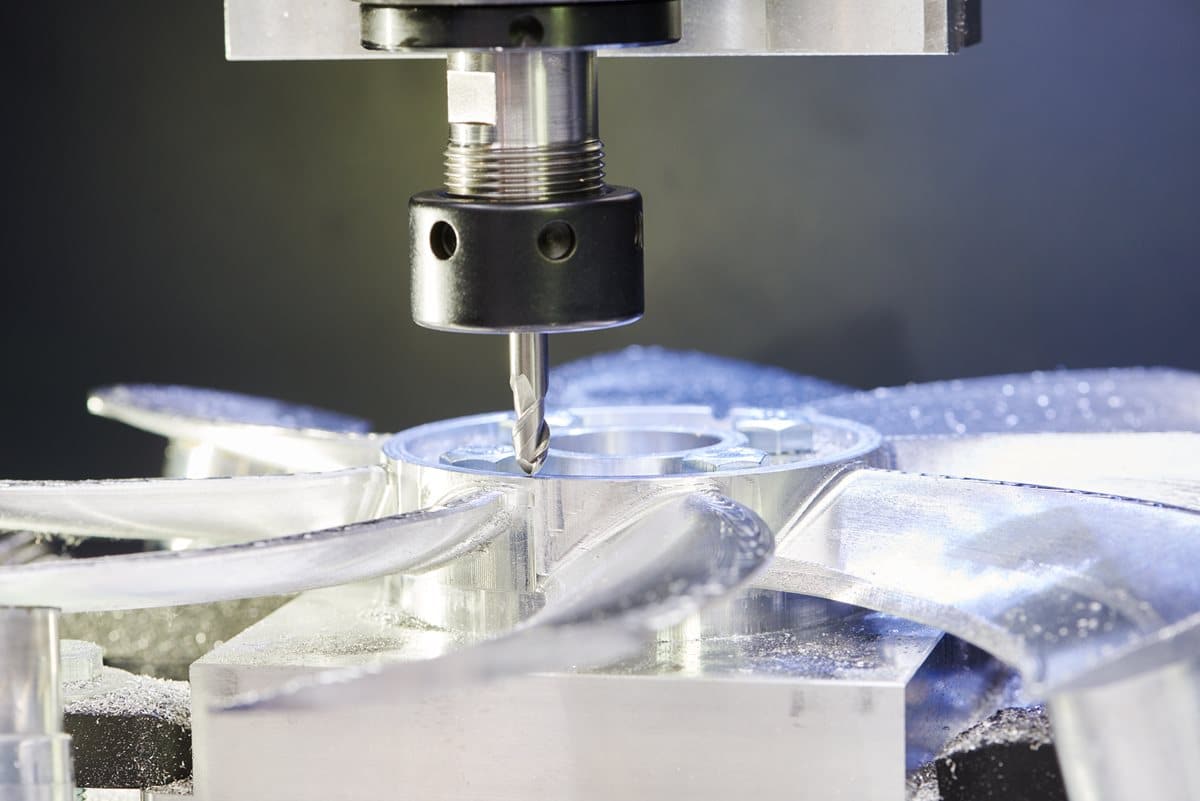
Robotic machining has become a viable alternative to using CNC machines in milling applications. Automating processes can lead to substantial savings, especially in large-scale part manufacturers such as…
One of the biggest benefits of robotic automation is improved consistency. Robots follow highly repeatable motion paths, which means robotic processing avoids the variability seen…
The Challenges of Grinding and Finishing Automation
There are significant benefits to automating grinding and finishing processes. Robotic grinding and material removal applications offer a more versatile and streamlined way to improve…
Top 5 Sanding Automation Problems (and How to Solve Them)
Many SMMs explore sanding automation to ease labor strain, improve quality, or reduce ergonomic risk. However, the moment they shift from manual to automated sanding,…