1.972.840.0208Discuss with Our Engineers
Automate Weld Grinding Focus Welding Instead

Weld Grinding Methods and Tips For Different Materials

Weld grinding is one of the most important steps in creating a clean, professional finish.
But it’s also one of the most inefficient. Manual grinding wastes time, burns through abrasives, and ties up skilled welders who could be adding value elsewhere.

Many shops accept these inefficiencies as part of the job. It feels cheaper to keep grinding by hand, but inconsistency, fatigue, and rework often cost more than they save.

New grinding methods are changing that. With better tools, process control, and robotic grinding, shops can achieve smoother finishes faster without wearing out people or materials.

The result is simple: lower costs, safer workflows, consistent quality, and welders who can focus on the work that really matters.

4 Tips to Improve Your Grinding Skills and Results

Grinding efficiency comes from control, not speed. Consistent pressure, the right abrasive sequence, and repeatable technique all reduce waste and make results predictable.

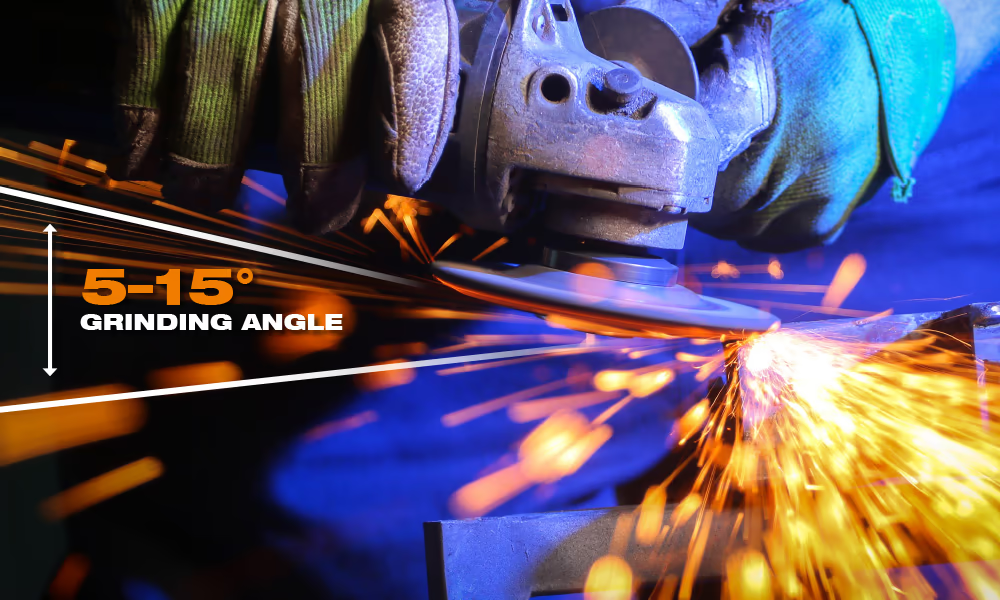
1. Maintain 5-15 Degrees Grinding Angle

Grinding Angle
Maintaining an adequate grinding angle improves finish quality and extends consumable lifespan.

Excessive force creates heat, glazing, and uneven finishes. Operators should maintain steady contact pressure and hold a 5–15° grinding angle for consistent material removal. Small adjustments in angle or pressure can mean the difference between a clean finish and a damaged part.

2. Don’t Skip Abrasive Sequences

Move from coarse to fine grits in the same pattern every time. Skipping grades saves a few minutes up front but leaves deeper scratches that require extra passes later. Standard grit progression keeps finishes uniform and extends the life of every disc.

3. Set Parts For Easy Reach

Set up parts for easy reach and proper posture. Good ergonomics reduces strain and improves accuracy, especially during long shifts. Keep angle grinders balanced and well-maintained to limit vibration and operator fatigue.

4. Operator Training and Process Tracking

Short, visual guides help new operators learn correct motion paths, tool speeds, and pressure targets. Tracking surface finish by part type builds consistency across teams and shifts.

When every step is repeatable, grinding becomes a stable, measurable process. It’s far easier to scale, automate, and trust.

How to Choose the Right Grinding Method for Different Materials

Grinding different metals requires matching the right method and abrasive to the material to achieve a clean finish and avoid wasted effort. The goal is to control heat, pressure, and contamination while keeping the surface uniform.

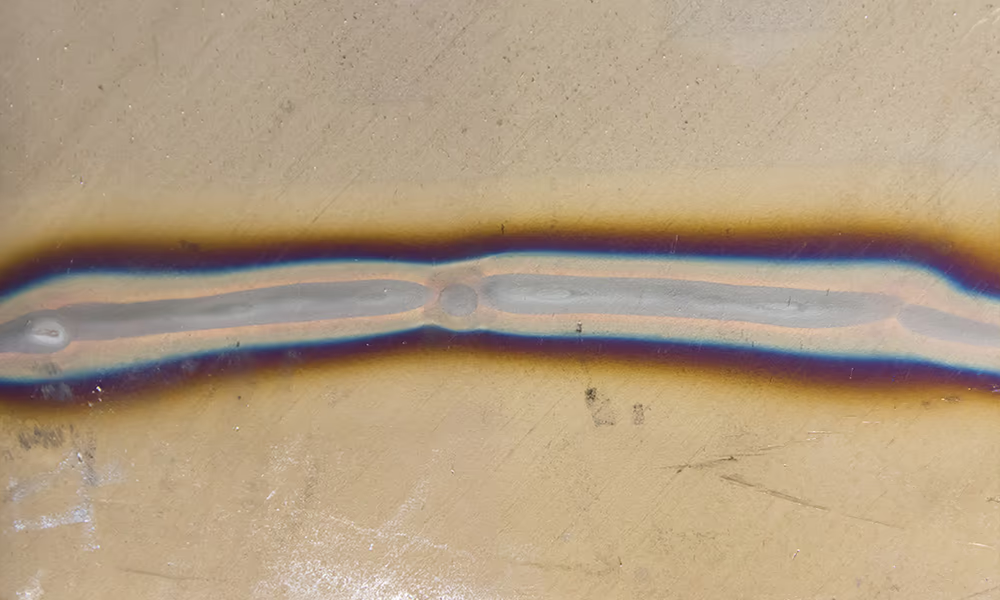
Discoloration Improper Grinding
Stainless steel weld discoloration due to heat input that needs to be cleaned.

Stainless Steel: Prevent Heat Tint and Cross-Contamination

Stainless steel welds require careful heat control. 

  • Use variable-speed grinders or flap discs and apply light, steady pressure to avoid overheating and discoloration.
  • Make short passes and allow cooling between them to minimize heat tint.
  • Always use dedicated stainless steel abrasives; introducing carbon steel particles can cause rust and corrosion later.
  • After grinding, remove any oxide or discoloration to maintain corrosion resistance and a clean appearance.

Aluminum: Prevent Loading and Gouging

Aluminum grinds easily but loads up abrasive wheels quickly. 

  • Always use non-ferrous rated discs or flap wheels, which are formulated to resist loading.
  • Apply light pressure and keep the surface clean before and after grinding to prevent contamination.
  • Using wax-based lubricants or wheel dressers can help reduce buildup and extend abrasive life.
  • Softer abrasives and lower tool speeds are ideal for preventing gouging and achieving a smooth, even finish.

Carbon Steel: Remove Material Quickly Without Distortion

Carbon steel can handle more aggressive grinding, but excessive pressure or heat can warp thinner parts. 

  • Start with a coarse grit for heavy weld removal, then step down through medium and fine grits to refine the finish.
  • Maintain a consistent 5–15° grinding angle to prevent gouging and uneven wear. 
  • Proper grit progression ensures faster results with fewer passes and less rework.

What Manual Grinding Is Costing You

Titanium: Control Heat, Contamination, and Wheel Loading

Titanium requires a controlled approach due to its reactivity at high temperatures. 

  • Use abrasives designed for titanium and operate at lower wheel speeds with moderate pressure. 
  • Excessive heat can lead to oxidation, discoloration, or embrittlement. 
  • Keep tools and surfaces clean because titanium can absorb contaminants from other metals. 
  • When possible, use coolant or intermittent passes to keep temperatures stable and protect the part’s surface integrity.

Fillets, Corners, and Tubes: Maintain Contact and Angle

Grinding curved or angled joints requires flexibility and control. 

  • Use flap discs, belts, or compliance tools that can conform to irregular shapes and maintain steady contact pressure. 
  • Keep your approach angle consistent to avoid flat spots or overgrinding along edges.
  • A smooth, uniform transition between weld and base metal improves both the look and function of the finished part.

Choosing the right tools and technique for each metal turns grinding from trial and error into a predictable, high-quality step in your workflow.

Grinding Is A Critical, But Non-Value Adding Task

Weld grinding plays a key role in how a finished part looks and performs. The purpose of grinding is simple: 

  • Remove excess weld reinforcement 
  • Remove spatter
  • Remove surface defects that affect strength and appearance
  • Clean off heat tint or discoloration caused by welding heat
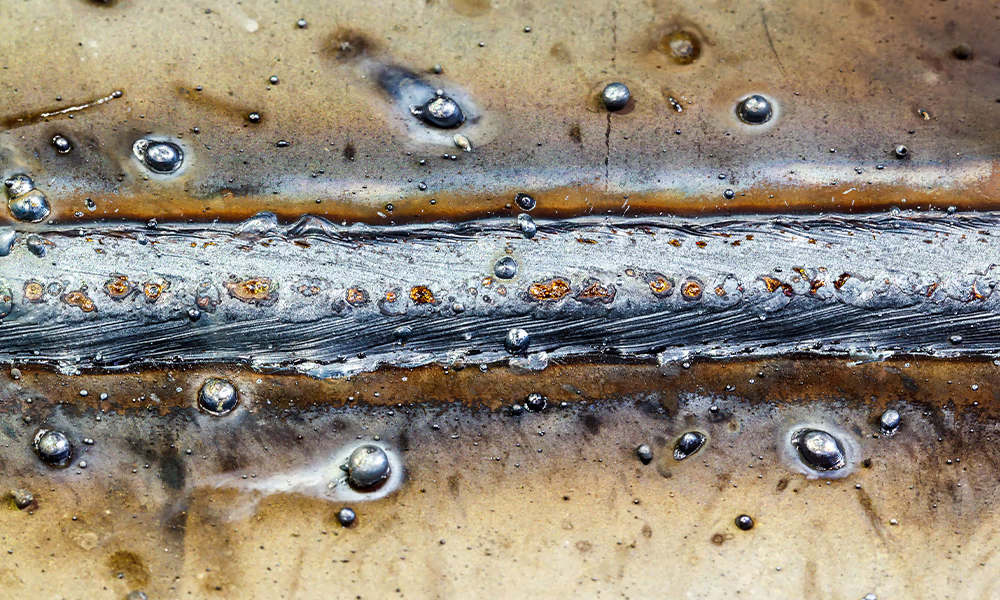
Weld Defects
Weld spatter that requires grinding for esthetic, functional, and structural purposes

A well-ground weld sets the stage for a durable finish. Smooth, uniform surfaces allow coatings, paint, or polish to bond evenly and protect the metal underneath. When surfaces are rough or uneven, those finishes fail faster, and corrosion can start to spread. Likewise, removing excess weld deposition prevents stress concentration that can lead to weld failure.

Appearance standards also shape how customers judge quality, and can be critical for many industries. For example, a food-grade tank, architectural details, or visible automotive parts require high finish quality

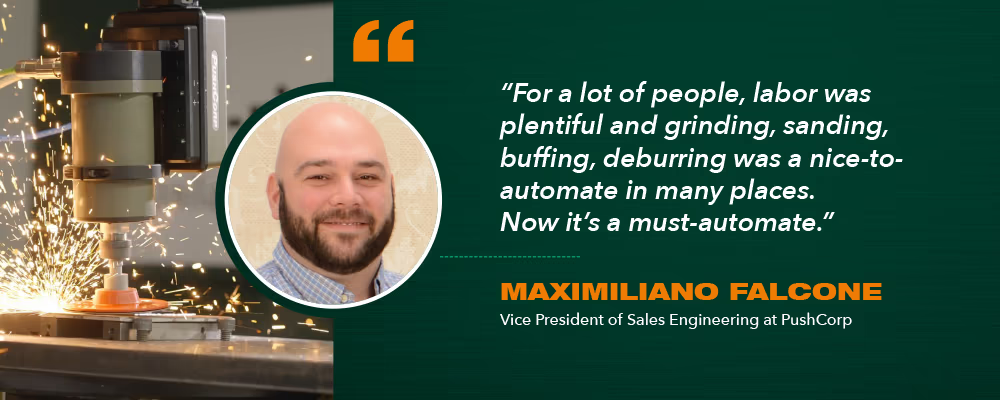
“People don’t pay you more because you ground the welds off. People are paying for a finish. They’re paying for a look.” – Maximiliano Falcone, Vice President of Sales Engineering

Manual Weld Grinding Costs You More Than You Think

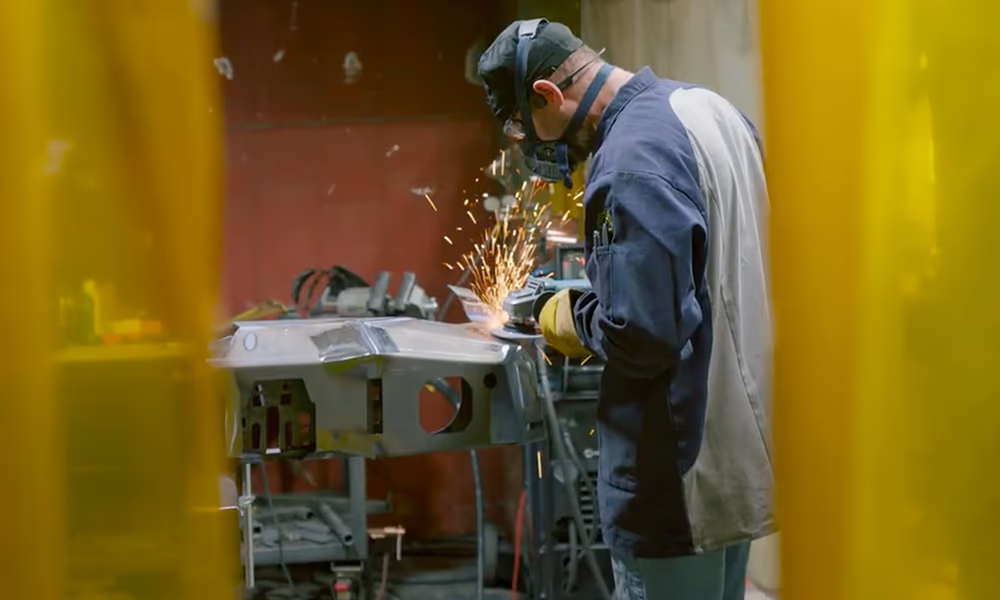
Cost Manual Weld Grinding
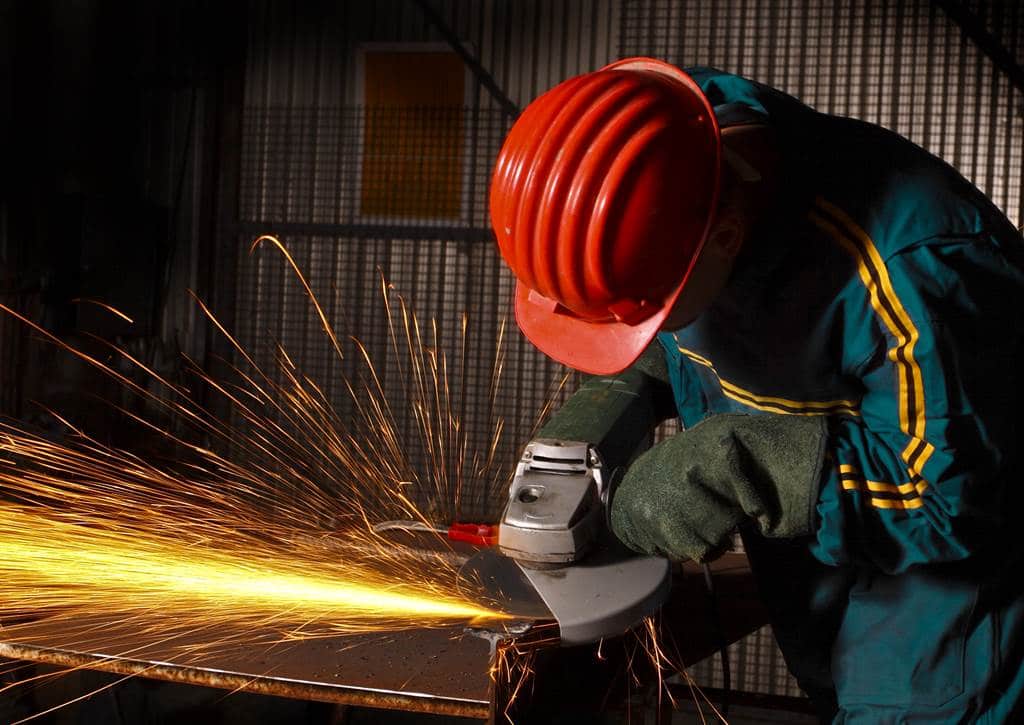
A grinding operator working on a metal part in the production cell

Manual weld grinding gets the job done, but it comes at a high cost. The process drains labor, burns through abrasives, and creates inconsistent results from shift to shift. Over time, it hurts both productivity and morale.

Labor Inefficiency

Skilled welders spend hours grinding instead of welding, reducing overall output. The work is repetitive and physically demanding, leading to fatigue, burnout, and higher turnover. When experienced welders are tied up on grinding, their time isn’t being used where it adds the most value. And when they do get back to their actual work after grinding parts, they are tired and more likely to make weld defects.

Abrasive Waste

Without standardized methods or process control, abrasives wear out at unpredictable rates. Operators often replace grinding discs early to make the job easier, increasing consumable costs and downtime. Overgrinding and rework add hidden costs that compound over time.

Quality Inconsistency

Changes in force, angle, and dwell time cause surface gouging or undergrinding. Manual grinding can also overheat sensitive alloys like stainless steel. Overheating alters the properties and leaves visible discoloration. In metal shops, airborne dust increases the risk of cross-contamination between different metals, which is especially problematic before welding.

Safety and Health Risks

Grinding exposes operators to noise, vibration, and dust, all of which raise workers’ compensation costs. The risk of cuts, repetitive-strain injuries, and respiratory problems remains high in manual setups.

When to Automate Weld Grinding?

Manual grinding works well, until it doesn’t. Once it starts slowing production, increasing rework, or stretching your team too thin, automation becomes the smarter investment. The right system delivers measurable gains in consistency, cost, and safety.
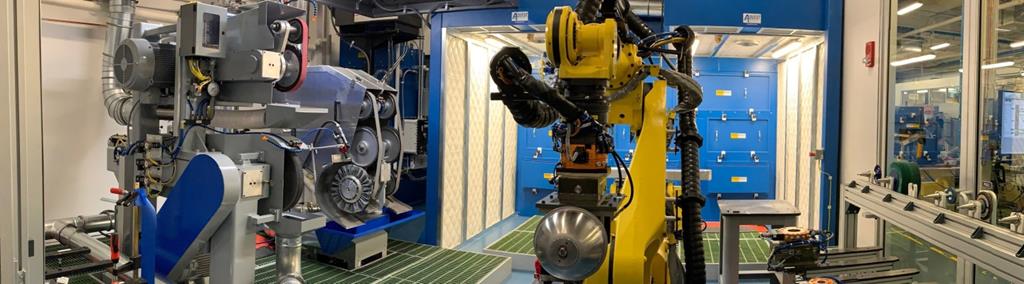
Automate Weld Grinding

Automation makes sense when grinding becomes a bottleneck. That can happen with:

  • High part volumes or repetitive weld geometries
  • Frequent rework or surface finish complaints
  • Excessive abrasive use 
  • Difficulty hiring or keeping enough skilled people to meet production goals

Even high-mix, low-volume shops benefit when multiple smaller jobs pile up and skilled welders spend excessive time grinding instead of welding.

Benefits of Robotic Weld Grinding
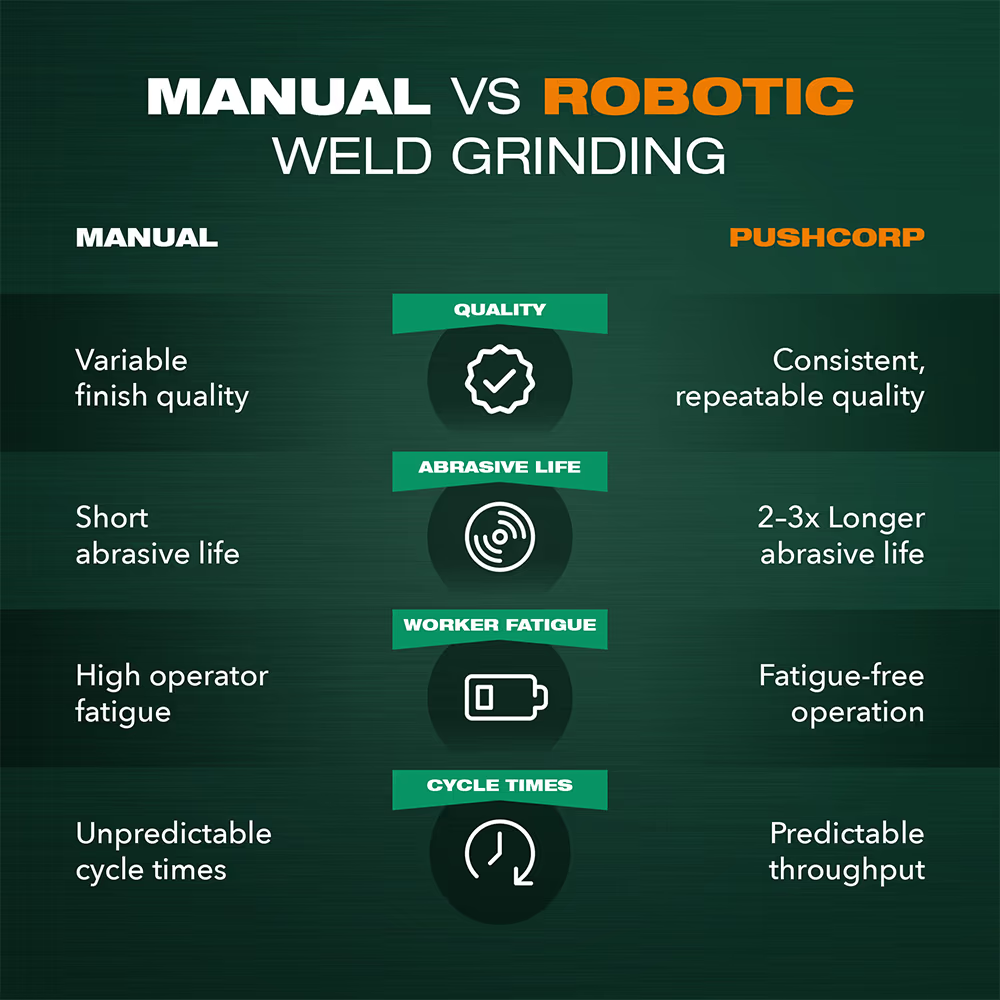
Manual vs Robotic Weld Grinding

Automated systems apply steady, repeatable force across every part. This keeps pressure consistent, improves surface quality, and eliminates variation from shift to shift. It also reduces abrasive waste and operator fatigue.

When robots handle grinding, skilled workers can focus on welding, machining, and inspection. Labor efficiency improves, and throughput rises along with part quality. Predictable cycle times make scheduling and cost control easier.

ROI Considerations

Robotic grinding only works if it delivers value fast. PushCorp cobot ready solutions are built for rapid deployment, shortening the time between purchase and production. Once online, the same equipment can be re-tooled for sanding, polishing, or other material-removal jobs. This capability extends its lifespan across multiple projects.

Closed-loop force control stabilizes quality from part to part, reducing inspection time and rework. That reliability creates predictable costs and fewer production surprises, key drivers of long-term ROI.

The combination of faster startup, repeatable performance, and equipment flexibility helps PushCorp users reach payback sooner and keep realizing returns as production needs evolve.

How PushCorp Makes Automated Weld Grinding Easy

PushCorp Grinding
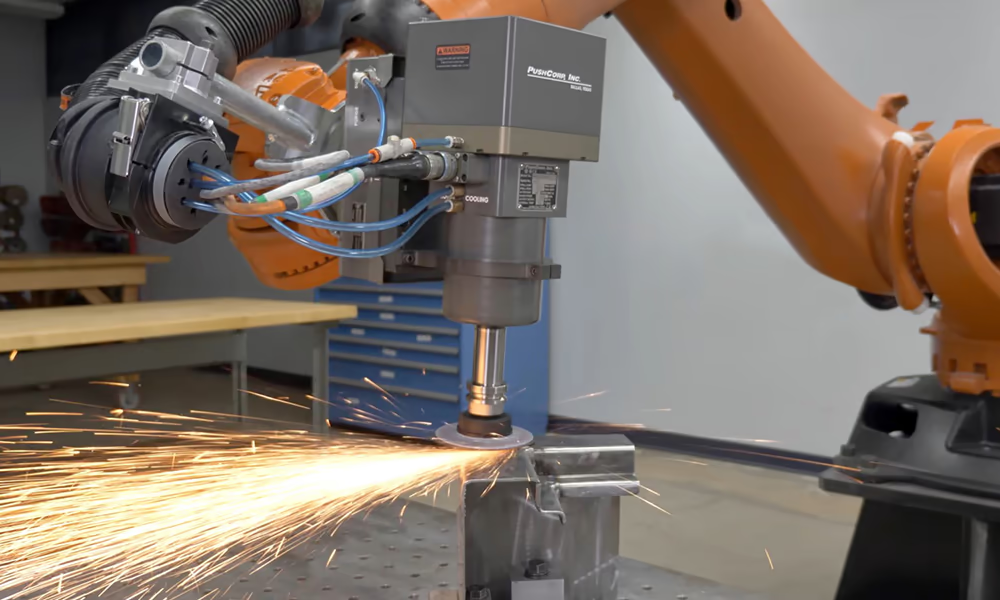
PushCorp robotic solution in action, grinding a welded part

PushCorp’s robotic servo spindles and force-control compliance devices work together to make automated grinding simple and reliable. Designed for easy deployment, these systems deliver precise pressure control for smooth, consistent weld removal. When paired with PushCorp’s GrindX™ software, the spindle and compliance combination automatically adapts to part geometry, shortens programming time, and maintains safe, repeatable performance across every part.

Grinding may never add direct value. But when optimized, it enhances both quality and productivity. A controlled, consistent process recovers lost labor time, extends abrasive life, and improves finish consistency across every shift.

Automating your workflow turns unpredictable rework into predictable output. Shops that take this step see steadier results, less fatigue, and faster turnaround. Automation gives skilled welders more time to focus on higher-value tasks and keeps production moving without interruption.

Ready to grind smarter? Contact PushCorp to speak with an applications expert and find the right grinding solution for your operation.

What Manual Grinding Is Costing You

For over 30 years, our products have helped customers automate applications that were once considered impossible to do with a robot.

Discuss with our Engineers